
Views: 0 Author: Site Editor Publish Time: 2026-03-24 Origin: Site

When it comes to designing and manufacturing custom belt buckles, choosing the right material is crucial. The material used can significantly impact the durability, functionality, aesthetics, and overall appeal of the final product. Two of the most popular materials for belt buckles are brass and zinc alloy. Both materials offer distinct advantages, making them suitable for different product lines depending on the target market and design needs.
Custom belt buckles serve as not only functional components of belts but also as critical elements of style and fashion. From high-end luxury designs to affordable, mass-produced options, the material of the buckle plays a vital role in determining its quality, cost, and overall appeal. Among the wide variety of materials available, brass and zinc alloy stand out as two of the most commonly used metals in belt buckle production. Each has unique characteristics, and understanding the differences between them is key for manufacturers who wish to create belt buckles that align with their brand’s goals and the preferences of their customers.
In this article, we will compare brass and zinc alloy in terms of material properties, aesthetic qualities, durability, cost-effectiveness, and other key factors. By the end of this guide, you'll have a better understanding of which material is more suitable for your product line.
Brass is a metal alloy primarily composed of copper and zinc, with varying proportions of each. This material has been used for centuries due to its excellent properties, making it a popular choice in the production of belt buckles.
Composition: Typically, brass contains 60-90% copper and the remainder as zinc. The ratio of copper to zinc can vary, affecting the properties of the brass.
Corrosion Resistance: Brass is known for its excellent corrosion resistance, especially in marine or humid environments. This makes it an ideal choice for products that need to withstand exposure to moisture or extreme weather conditions.
Durability: Brass is highly durable and resistant to wear, making it a long-lasting material for belt buckles.
One of the key advantages of brass belt buckles is their natural aesthetic qualities. Brass has a beautiful golden-yellow hue that can be polished to a shiny, reflective surface or left with a matte, antiqued finish for a more rustic look.
Golden Sheen: Brass naturally has a golden sheen that adds a touch of elegance and luxury to the belt buckle design.
Polished and Matte Finishes: Brass can be polished to a high gloss or brushed for a more subdued look. It also develops a patina over time when exposed to air, which can add character to the design.
Brass belt buckles are commonly used in luxury or high-end fashion accessories due to their durability and appearance.
High-End Belts: Brass is frequently used for custom belt buckles in designer belts, where a premium feel is required.
Vintage Designs: The antique appeal of brass makes it an ideal choice for vintage-inspired designs or retro-themed fashion accessories.
Zinc alloy is a composite material made from zinc combined with other metals such as aluminum, copper, and magnesium. This combination results in a versatile, lightweight, and affordable metal that is commonly used in manufacturing belt buckles.
Composition: Zinc alloy typically contains 90% zinc and small amounts of aluminum, copper, and magnesium. The exact proportions can vary, affecting the alloy’s properties.
Lightweight: Zinc alloy is much lighter than brass, making it a more comfortable choice for everyday wear.
Corrosion Resistance: Zinc alloy offers good corrosion resistance, though not as high as brass. It is still well-suited for belt buckles exposed to everyday elements.
While zinc alloy may not have the natural golden sheen of brass, it is still a highly versatile material with many aesthetic possibilities.
Finish Variety: Zinc alloy can be easily molded and finished with various textures such as matte, brushed, or glossy. It can also be electroplated to achieve different looks like chrome or gold plating.
Customization: Zinc alloy offers superior flexibility in terms of design, allowing for more intricate shapes and forms compared to other metals.
Zinc alloy belt buckles are widely used in mass-market fashion accessories due to their cost-effectiveness and design flexibility.
Affordable Fashion: Zinc alloy is commonly used for trendy, cost-effective belt buckles in the fast fashion industry.
Custom Designs: Due to its malleability and ease of molding, zinc alloy is often used for custom belt buckles with intricate details or branding.
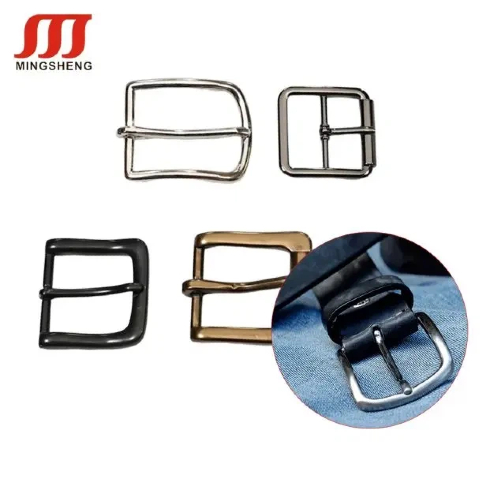
In this section, we will compare brass and zinc alloy belt buckles across various important factors such as durability, weight, aesthetic appeal, and manufacturing costs.
Both brass and zinc alloy are durable, but they differ in terms of corrosion resistance and how they age over time.
Feature | Brass | Zinc Alloy |
Corrosion Resistance | Excellent resistance to corrosion | Good, but not as resistant as brass |
Wear Resistance | Highly durable, long-lasting | Less durable over time, more prone to scratching |
Aging | Develops a patina with time, adds character | Tends to retain its finish longer without aging |
Brass Belt Buckles: Being heavier, brass buckles offer a more substantial feel, which can enhance the premium quality of the belt. However, they may not be as comfortable for extended wear.
Zinc Alloy Belt Buckles: Zinc alloy is much lighter, making it more comfortable for daily use. Its lightweight nature makes it a good choice for fashion-forward designs intended for frequent wear.
Material | Weight | Comfort |
Brass | Heavier, more substantial | Less comfortable for prolonged wear |
Zinc Alloy | Lightweight, comfortable | More suitable for casual use |
Both materials offer unique aesthetic qualities, but they differ in the variety of finishes and design flexibility available.
Feature | Brass | Zinc Alloy |
Finish | Polished, matte, antique | Matte, polished, brushed, chrome-plated |
Design Flexibility | Limited by the material's hardness | Highly flexible, allows intricate designs |
Aesthetic | Elegant, vintage, luxurious | Trendy, versatile, affordable |
When it comes to cost, zinc alloy is typically more affordable than brass, making it a better option for large-scale manufacturing.
Material | Cost | Manufacturing Considerations |
Brass | Higher, premium cost | Requires more effort to mold and shape |
Zinc Alloy | More affordable | Easier and quicker to mass-produce |
The choice between brass and zinc alloy largely depends on the type of product line you're targeting.
Brass is a better choice for high-end, luxury belt buckles aimed at a premium market, where durability and aesthetics are paramount.
Zinc alloy is more suitable for affordable fashion products, especially for trendy designs or large-scale production where cost efficiency is crucial.
If your product line requires intricate designs, zinc alloy may be the better choice due to its versatility and ease of molding.
If you’re looking to create timeless, durable pieces with an antique or luxury feel, brass will provide a more fitting solution.
For manufacturers aiming to keep costs low while offering trendy, mass-produced designs, zinc alloy is the preferred material.
If your brand focuses on high-quality, premium products, investing in brass may result in a higher production cost but a more refined final product.
When deciding between brass and zinc alloy for your belt buckles, it’s crucial to evaluate your product line’s specific needs. Brass is perfect for luxury, long-lasting designs with a vintage appeal, while zinc alloy offers an affordable, lightweight option that’s ideal for trendy, custom designs. Both materials have unique advantages, and the right choice ultimately depends on your target market, product positioning, and production capabilities.
At Mingsheng Hardware Product Factory, we specialize in providing high-quality custom belt buckles in both brass and zinc alloy. Our expert team can guide you through the selection process to ensure you choose the best material for your specific needs. Whether you’re looking to create a high-end, durable design or a lightweight, cost-effective solution, we offer a wide range of options that align with your brand’s goals.
Contact us today to learn more about how we can help bring your belt buckle designs to life with precision and quality craftsmanship. Let’s work together to create products that stand out in the competitive fashion accessory market.
Brass is heavier, more durable, and has a golden sheen, making it perfect for luxury and vintage designs. Zinc alloy is lighter, more affordable, and offers greater design flexibility.
Brass is more durable and resistant to corrosion, making it a better choice for long-term use, especially in harsh conditions.
Yes, zinc alloy is highly malleable and can be molded into intricate shapes, making it ideal for custom and detailed designs.
Brass is typically preferred for high-end fashion due to its luxurious appearance, weight, and durability.
Zinc alloy is generally more affordable, making it the better choice for mass production, while brass tends to be more expensive due to its premium quality.


