
Views: 0 Author: Site Editor Publish Time: 2026-03-19 Origin: Site

Belt buckles are an essential accessory, playing both a functional and aesthetic role in fashion. Whether it's a part of a high-end designer belt or a casual pair of jeans, the belt buckle serves as an integral piece of design. The manufacturing of custom belt buckles involves a variety of materials and finishes that contribute to the overall look, feel, and functionality of the final product. This article will explore the different materials used in custom belt buckle production, the various finishes that can be applied, and how both play a vital role in creating the perfect belt buckle.
In the world of custom accessories, belt buckles stand out as a piece of hardware that not only serves a practical purpose but also acts as a style statement. Custom belt buckles are created using various materials and finishes, which can be tailored to the needs of both the manufacturer and the consumer.
When designing a belt buckle, manufacturers must choose the right material to ensure durability, weight, and the desired aesthetic appeal. The finish applied to the belt buckle further enhances its look, adding texture, shine, or a vintage feel. This combination of material and finish is key to achieving the perfect design for different markets and consumers.
Custom belt buckle manufacturing has become a key industry for fashion brands, especially those looking for unique, high-quality designs. Whether it's for fashion belts, work belts, or even novelty belt buckles, the options for customization are nearly limitless.
The material used in custom belt buckle manufacturing greatly influences the buckle’s strength, weight, and visual appeal. The choice of material can also affect the buckle's corrosion resistance and longevity. Below are the key materials commonly used in belt buckle production:
Metal belt buckles are the most popular choice due to their durability and strength. These materials are highly versatile and can be finished in a variety of ways.
Stainless steel is widely used for belt buckles because of its resistance to corrosion, rust, and tarnishing. It offers a sleek, polished look and is highly durable, making it ideal for both casual and formal wear.
Advantages: Corrosion-resistant, durable, modern look.
Common Finishes: Polished, brushed, matte.
Zinc alloy is a cost-effective material commonly used for belt buckles. It provides a good balance between weight and durability and can be easily molded into different shapes.
Advantages: Affordable, versatile, lightweight.
Common Finishes: Matte, chrome, nickel plating.
Brass is a more premium metal used for custom belt buckles. Known for its golden appearance, brass gives the buckle a luxurious look. Brass is heavier than zinc alloy and stainless steel, offering a more substantial feel.
Advantages: Elegant finish, strong and durable.
Common Finishes: Antique, polished, brushed.
Aluminum is a lightweight and highly customizable material used for modern belt buckle designs. It's resistant to corrosion and can be anodized to achieve different colors and textures.
Advantages: Lightweight, corrosion-resistant, customizable.
Common Finishes: Anodized, matte, polished.
Non-metal materials are often chosen for their unique appearance and light weight. They can also offer a softer or more organic aesthetic.
Leather inserts are often combined with metal buckles to create a stylish contrast. They add a rustic, sophisticated feel to the belt buckle design, particularly for casual or luxury belts.
Advantages: Versatile, adds texture and warmth.
Common Finishes: Textured, dyed, embossed.
For budget-conscious designs, resin and plastic components are often used. These materials can be molded into intricate shapes and are available in a variety of colors.
Advantages: Cost-effective, lightweight, versatile.
Common Finishes: Glossy, matte, glittery.
Wooden buckles or hybrid designs using wood and metal offer a natural and eco-friendly appeal. They are popular for creating rustic or vintage-inspired designs.
Advantages: Eco-friendly, unique appearance.
Common Finishes: Polished wood, matte finish.
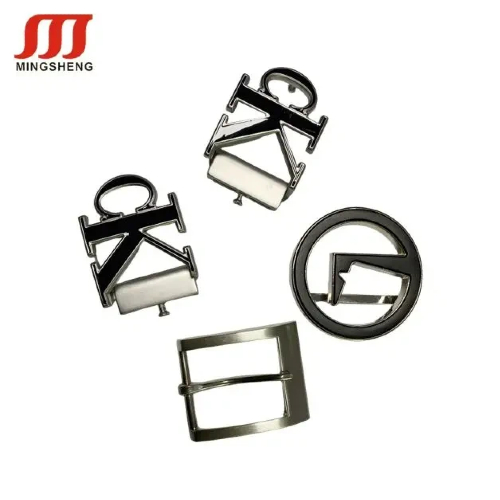
Material selection plays a crucial role in determining the durability, functionality, and overall aesthetic of the belt buckle. Here’s a deeper look into how different materials affect the durability and functionality of custom belt buckles.
The durability of a belt buckle is influenced by the material’s resistance to wear, corrosion, and rust. For instance, stainless steel and brass offer high corrosion resistance, making them ideal for outdoor use. Zinc alloy, although more affordable, is also highly durable but may not withstand extreme conditions as well as stainless steel.
The material of the belt buckle affects how well it functions. For example, heavier materials like brass or stainless steel provide a firm and secure closure, while lighter materials like aluminum or resin may offer a more flexible, comfortable option for casual wear.
The weight of the belt buckle influences comfort. A lightweight aluminum buckle might be more comfortable for daily wear, while a heavier brass or zinc alloy buckle could be better suited for fashion-focused belts where the look is prioritized.
The finish applied to a belt buckle has a significant impact on its final appearance. A well-chosen finish enhances the design, adding texture, shine, or a unique visual appeal. Below are some of the most popular finishes used in custom belt buckle production.
Polished finishes are highly reflective and create a smooth, shiny surface that’s perfect for a modern, high-end look.
Mirror Finish: A highly reflective finish that offers a pristine, polished look. This is often used for luxury or formal belt buckles.
High Shine: Offers a glossy, attractive surface without the intense reflection of a mirror finish.
Matte finishes provide a more subtle, understated look that is becoming increasingly popular in both casual and formal designs.
Satin: A soft, smooth finish with a slight sheen. It’s ideal for creating a balanced, elegant look.
Brushed: A finish with a textured surface that gives the belt buckle a soft, non-reflective appearance.
Textured finishes are used to add depth and personality to the belt buckle. They can range from small patterns to larger, more elaborate textures.
Hammered: A finish that gives the buckle a rustic, hand-forged appearance.
Embossed: A design created by pressing patterns into the metal, adding visual and tactile interest.
Specialized finishes are often used to create a vintage or high-end feel.
Antique or Aged Look: This finish gives the buckle an aged appearance, with darker tones and a rustic finish.
Electroplating: A process where a thin layer of another metal, such as gold or silver, is applied to the buckle to enhance its appearance.
Finish Type | Description | Common Applications |
Polished | Smooth and shiny, highly reflective. | High-end or luxury belts. |
Matte | Soft, non-reflective, with a subtle finish. | Casual wear, everyday belts. |
Textured | Adds depth, with patterns or rough surfaces. | Vintage-style or unique designs. |
Specialized | Includes antique, gold, or chrome plating. | Luxury, special edition products. |
The finish applied to the belt buckle can drastically alter its aesthetic appeal. For example, a polished belt buckle exudes sophistication and works well in formal settings, while a matte or textured finish lends itself better to casual wear.
One of the main benefits of having various finishes is the versatility it offers. A single design can take on completely different characteristics depending on whether it's polished, matte, or textured.
The choice of finish can align with current fashion trends. For example, brushed or matte finishes have gained popularity due to the rise of minimalist and industrial designs. Meanwhile, electroplating finishes, such as gold or chrome, are frequently used in luxury belt buckle designs to give them a more polished, high-end look.
When designing a custom belt buckle, several factors need to be taken into account, including material, finish, and functionality. Here's what to consider when customizing your belt buckle:
The material and finish should complement each other to achieve the desired look. For example, a brass belt buckle might pair well with a polished finish for a sleek, elegant look, while a zinc alloy buckle could be better suited for a matte or brushed finish.
Personalization is a major selling point for custom belt buckles. Many manufacturers offer engraving services, allowing customers to add logos, initials, or designs. It’s important to ensure that the finish can accommodate engraving without losing its overall aesthetic.
Sustainability is becoming a significant factor in custom belt buckle manufacturing. Many companies are turning to eco-friendly materials and finishes to reduce their environmental footprint.
Materials like recycled metals, eco-conscious resins, and sustainable packaging options are gaining popularity. These materials are durable and high-quality while minimizing environmental impact.
Sustainable finishes, such as eco-friendly plating processes and low-emission production methods, are becoming more widely adopted.
Choosing the right material and finish for custom belt buckles is essential for achieving the perfect blend of durability, functionality, and style. At Mingsheng Hardware Product Factory, we understand the importance of selecting the ideal materials and finishes that meet both aesthetic and practical needs. Our wide range of options allows us to create products tailored to various consumer preferences, from casual wear to high-end luxury belts.
By focusing on quality craftsmanship and providing customization options, we ensure that our belt buckles stand out in the competitive fashion accessory market. Whether you’re looking for sleek, polished designs or rustic, textured finishes, we offer the expertise and resources to bring your vision to life.
If you're looking for top-quality custom belt buckles that cater to your specific design and functionality needs, we invite you to get in touch with us. Let us help you create the perfect belt buckle for your brand, with a focus on innovation and premium quality.
The best materials for custom belt buckles include stainless steel, zinc alloy, brass, and aluminum. These metals provide strength and durability, while non-metal options like leather and resin offer a unique appearance.
The most popular finishes are polished, matte, and textured. Polished finishes offer a sleek, shiny appearance, while matte and textured finishes provide a more subtle, rustic feel.
Yes, you can customize the finish of your belt buckle to suit your design preferences. Finishes like matte, brushed, and polished are all customizable options.
The finish affects the visual appeal of the belt buckle, with options ranging from glossy, high-shine finishes to subtle matte or textured looks. Each finish serves to enhance the overall style of the buckle.
Yes, many manufacturers are now offering eco-friendly options, including recycled materials and low-emission finishes, to cater to the growing demand for sustainable fashion accessories.


